
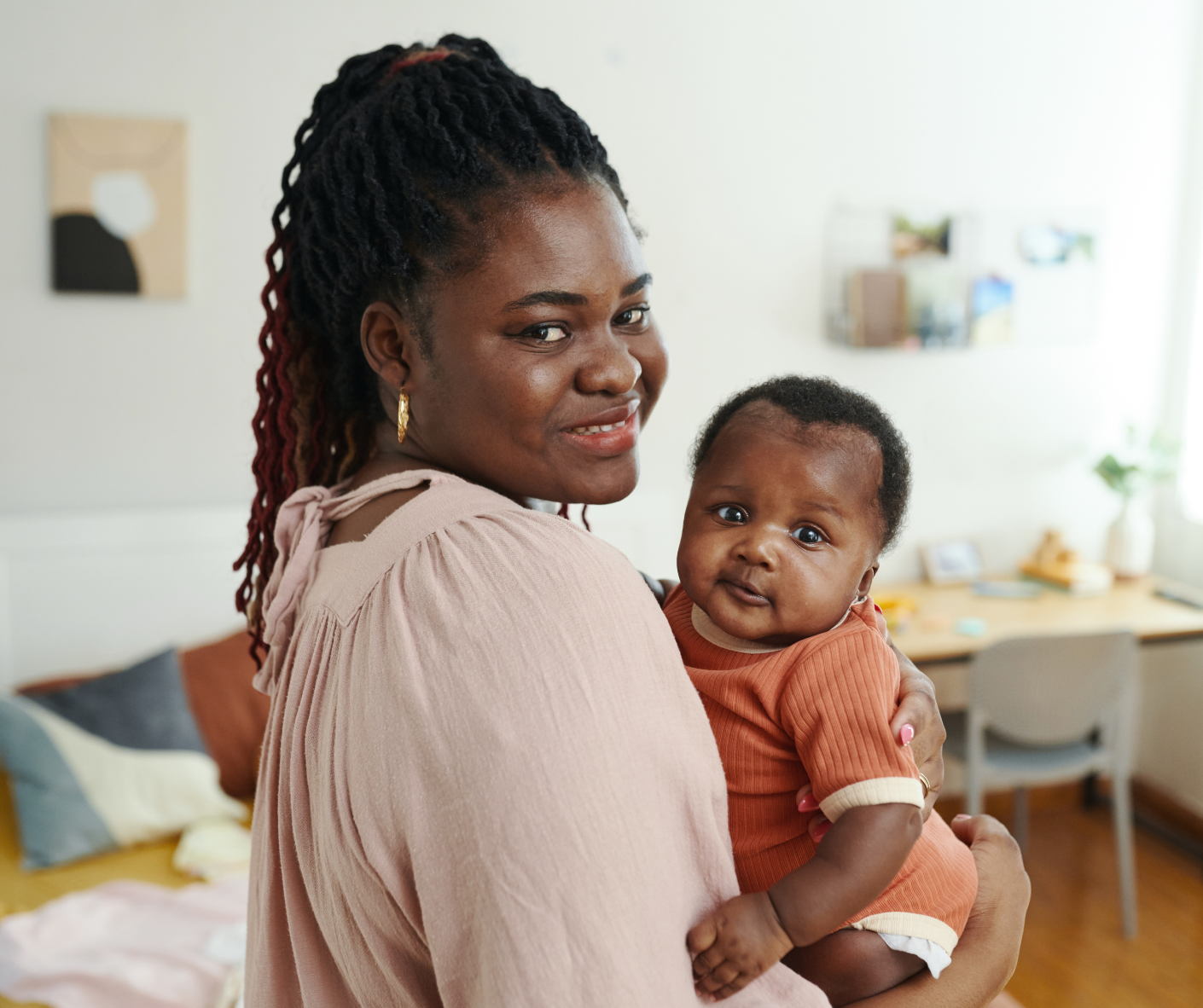
Many breastfeeding mothers in the Boston area find that transitioning their baby to bottle feeding requires patience and strategy, particularly when preparing to return to work. Whether you're heading back to your office in the Seaport, planning a night out in the North End, or simply want to give yourself more flexibility, getting your baby comfortable with bottles is an important milestone. Here's how to make the process smoother for both you and your little one.
When to Begin
Wait until nursing is fully established before introducing bottles. Your pediatrician will confirm this milestone when your baby has returned to birth weight, typically around the three-week mark. Starting too early can interfere with breastfeeding success and may cause nipple confusion, where babies struggle to switch between breast and bottle.
During those first few weeks, your baby is learning how to latch properly, your milk supply is regulating, and you're both establishing a nursing rhythm. Introducing a bottle before this foundation is solid can disrupt the process. Most lactation experts recommend waiting at least three to four weeks, though some babies and mothers may benefit from waiting a bit longer if breastfeeding hasn't yet become comfortable and routine.
Signs Breastfeeding Is Established
You'll know breastfeeding is well-established when your baby is gaining weight consistently, nursing sessions feel comfortable rather than painful, and you've developed a predictable feeding pattern. Your baby should be producing adequate wet and dirty diapers, seeming satisfied after feedings, and your breasts should feel softer after nursing sessions.
Building Your Milk Supply
Begin pumping once daily during your peak milk production time, often early morning, though this varies by individual. Nurse your baby completely first, then pump both breasts for ten minutes each. Initial output may seem minimal, but consistent pumping signals your body to increase production within several days.
Many mothers feel discouraged when they only produce a small amount during those first pumping sessions. This is completely normal. Your body is learning that it needs to produce extra milk beyond what your baby consumes during nursing. Think of pumping as "placing an order" with your body for additional milk production.
Creating a Pumping Routine
Consistency is key when building your milk stash. Try to pump at the same time each day, as your body will begin to anticipate this extra demand and respond accordingly. Most mothers find that morning pumping sessions—particularly that first feeding of the day—yield the most milk because your supply naturally peaks after a longer stretch without nursing overnight.
If morning pumping doesn't work with your schedule, don't worry. Some mothers have success pumping on one side while nursing on the other, or pumping immediately after a nursing session when the baby doesn't fully drain both breasts. Experiment to find what works best for your body and routine.
Building Your Freezer Stash
Start building your frozen milk supply about two to three weeks before you plan to return to work. This gives you a comfortable cushion and reduces stress as your return date approaches. Aim to have at least a few days' worth of milk stored—typically 15 to 20 ounces—before your first day back.
Store milk in two to four-ounce portions to minimize waste, as you can always thaw multiple bags if your baby needs more. Remember that breast milk can be safely stored in the refrigerator for up to four days and in a standard freezer for six to twelve months, giving you plenty of flexibility.
The First Bottle
Strategic timing matters. Offer the bottle when your baby shows early hunger cues rather than waiting until they're desperately hungry. If your baby typically nurses every three hours, try the bottle at the two-hour mark. A too-hungry baby becomes too frustrated to try something unfamiliar.
Early hunger cues include increased alertness, rooting motions, bringing hands to mouth, and making sucking motions. By the time your baby is crying, they've moved past those early cues and may be too upset to accept something new. The goal is to catch them when they're interested in eating but still calm enough to explore this different feeding method.
Who Should Give the First Bottle
Consider having someone other than mom give that first bottle. Babies strongly associate their mothers with breastfeeding and may resist trying a bottle from the same person. Have your partner or caregiver offer the bottle while you're in another part of the house or away entirely. Babies can detect your presence through scent and sound.
This can feel emotional for mothers who want to be part of every feeding, but remember that this temporary separation serves an important purpose. Your baby knows you provide milk from the breast, so introducing a bottle from someone else helps them understand that bottles are a different, but equally valid, source of nutrition.
Some babies are more flexible and will accept bottles from anyone, including mom, but many are particular about this distinction, especially in the early weeks of bottle introduction. If your baby refuses the bottle from your partner the first time, don't give up. It may take several attempts over multiple days before they catch on.
Temperature and Amount
Warm stored milk by placing the bottle in warm water. Test temperature on your inner forearm. It should feel neutral, neither warm nor cold. Begin with one to two ounces and maintain regular bottle practice, every day or every other day, to prevent your baby from forgetting this skill before you return to work.
Never microwave breast milk, as this can create hot spots that might burn your baby's mouth and can also destroy valuable nutrients and antibodies in the milk. Warm water or a bottle warmer are the safest options. Some babies will accept room temperature or even cold milk, which can be convenient when you're out and about around Boston.
Maintaining Bottle Skills
Once your baby accepts bottles, consistency is crucial. Offer at least one bottle every day or every other day, even on weekends when you're home. Babies can "forget" how to take bottles if they go too long without practice, and you don't want your first day back at work to become a relearning experience for your baby and their caregiver.
This regular practice also helps prevent bottle refusal, which can develop when babies go extended periods without bottle feeding. Think of it as keeping the skill fresh in your baby's mind.
Equipment Choices
Use newborn or level 1 (slow-flow) nipples to match the pace of breastfeeding. Fast-flow nipples can overwhelm babies and make coordination difficult, potentially leading to a preference for the bottle's faster flow over the breast. Nipples come in various shapes and materials, so experimentation may be necessary.
Finding the Right Nipple
Bottle nipples vary widely in shape, material, and flow rate. Some are designed to mimic the shape of a breast, with a wider base that encourages a similar latch. Others are more traditional in shape. Materials range from silicone to latex, with silicone being more common due to durability and the fact that some babies have latex sensitivities.
If your baby accepts the bottle initially but stops mid-feed, trying different nipple styles may help. Some babies are particular about texture, while others respond better to certain shapes. You may need to purchase a few different options before finding the one your baby prefers. Local Boston baby stores can provide guidance on different nipple options.
When to Increase Nipple Flow
As your baby grows, they may eventually need a faster-flow nipple, but there's no rush to move up. Signs that your baby might be ready for the next nipple level include feeding sessions that take significantly longer (over 20-30 minutes), frustration during bottle feeding, or collapsing the nipple from strong suction. However, many breastfed babies do fine with slow-flow nipples throughout their entire bottle-feeding experience.
Troubleshooting Common Challenges
Even with perfect timing and technique, some babies resist bottles initially. This is normal and doesn't mean you're doing anything wrong. Persistence and patience are key.
When Baby Refuses the Bottle
If your baby refuses the bottle completely, try different approaches. Some babies respond better to bottle feeding while walking or moving, as the motion can be soothing. Try walking around your home or even taking a stroll along the Charles River Esplanade or through Boston Common with your caregiver. The change of scenery and gentle movement can help. Others prefer to be in a different room or environment than where they typically nurse. Some babies accept bottles more readily when they're slightly drowsy rather than fully awake.
You might also try different times of day. Some babies are more open to bottles during certain feedings, perhaps late afternoon rather than morning. Pay attention to when your baby seems most relaxed and receptive.
Addressing Bottle Preference
On the flip side, some babies develop a preference for bottles because milk flows more easily than from the breast. If you notice your baby becoming frustrated at the breast after bottle introduction, you may need to scale back on bottle frequency or ensure you're using the slowest-flow nipple possible.
Continuing to nurse frequently, especially in the evenings and on weekends, helps maintain your supply and keeps your baby accustomed to breastfeeding. The goal is balance. Babies who can switch comfortably between breast and bottle without preferring one over the other.
What to Expect
Most babies eventually adapt to bottles when hunger necessitates it, though the timeline varies. Some babies accept bottles on the first try, while others take days or even weeks to warm up to the idea. Don't be discouraged if your baby is in the latter category. With consistent practice and patience, nearly all babies eventually accept bottles.
If you're struggling as your return-to-work date approaches, consult your pediatrician for additional strategies. They may have specific suggestions based on your baby's temperament and feeding patterns. Sometimes a fresh perspective can identify small adjustments that make a big difference.
Additional Resources and Support in Boston
Remember that introducing bottles is a learning process for everyone involved—you, your baby, and whoever will be providing care. Give yourself grace, celebrate small victories, and know that with time and consistency, this transition will become second nature for your family.
Talk to your Essential Pediatrics pediatrician to learn how we can help you introduce your breastfed Boston baby to bottle feeding.